
Marietta City Cemetery Tours: Confirm Your Meeting Place |
Marietta City Cemetery tours: choose the intended cemetery, confirm the tour details and plan a respectful history-focused visit. |

Marietta City Cemetery tours need a more precise destination than “the cemetery in Marietta.” The city identifies several distinct burial grounds, and a museum’s mailing address can also appear on an event page. Confirm the actual meeting point before sharing directions with companions.
The city’s cemetery information page lists Marietta City Cemetery, Marietta National Cemetery and Marietta Confederate Cemetery separately. Use the named site in your tour confirmation rather than assuming these are different descriptions of the same entrance.
The Marietta History Center’s cemetery-tour page describes guided walks and currently lists two themed November sessions. Before booking, confirm the intended year, date, start time, meeting place and remaining availability with the organizer. A current-looking page does not replace a dated ticket confirmation.
The museum’s listed contact number is 770-794-5710. Ask about the route, walking surfaces and any access need that affects your participation. Do not assume the museum’s regular building hours, admission charge or street address also describe an outdoor tour. Choose the historical question that interests you |
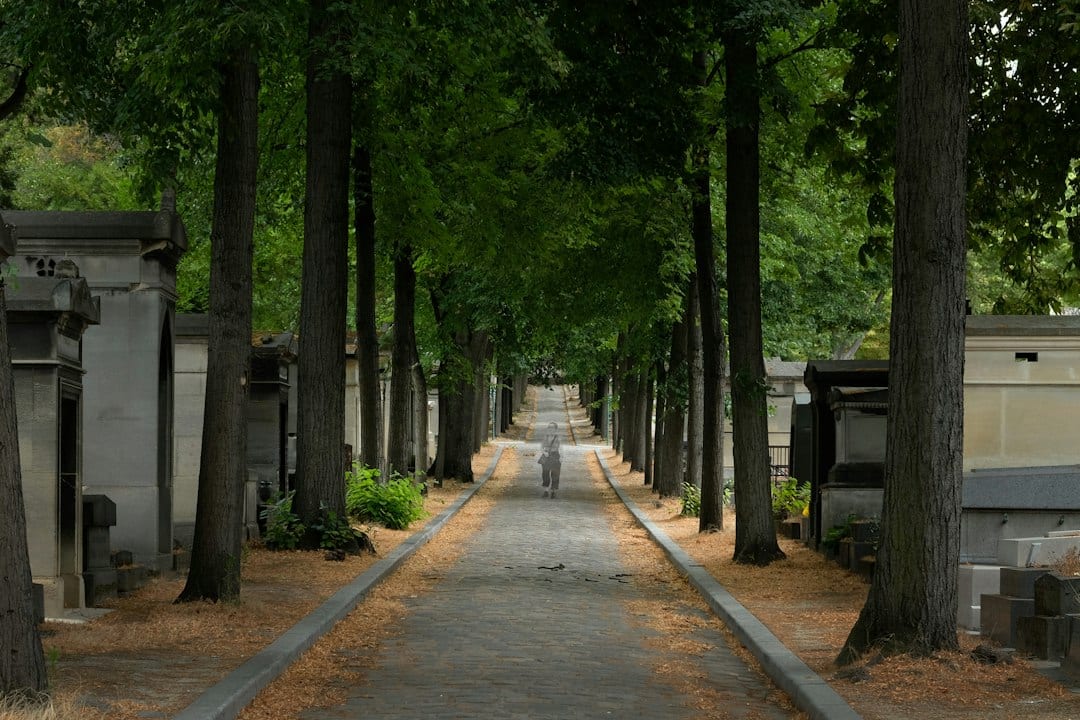 Illustrative stock photo of a cemetery path in Paris; not Marietta City Cemetery. Photo by Howard Walsh on Unsplash |
A guided cemetery visit can connect an individual life with a wider community story. Read the announced theme before choosing a session, and bring one question that fits it. A focused interest gives you something to listen for without expecting a guide to cover every person buried there.
Separate what an inscription records from what it proves about a person’s life. Dates and names can provide starting points for research, while a meaningful interpretation needs supporting context. Avoid filling gaps with a dramatic story because a marker is difficult to read.
Take notes on a name, symbol or relationship that you would like to investigate later. Ask the guide which sources informed the account and where further research might begin. Keep an uncertain reading marked as uncertain rather than turning it into a confident caption for social media.
If you are visiting with children, explain beforehand that this is a place of remembrance. Give them a manageable observation question and choose a visit length appropriate to their attention. A respectful, short experience can be more useful than trying to turn every monument into an activity. Plan a respectful outdoor visit |
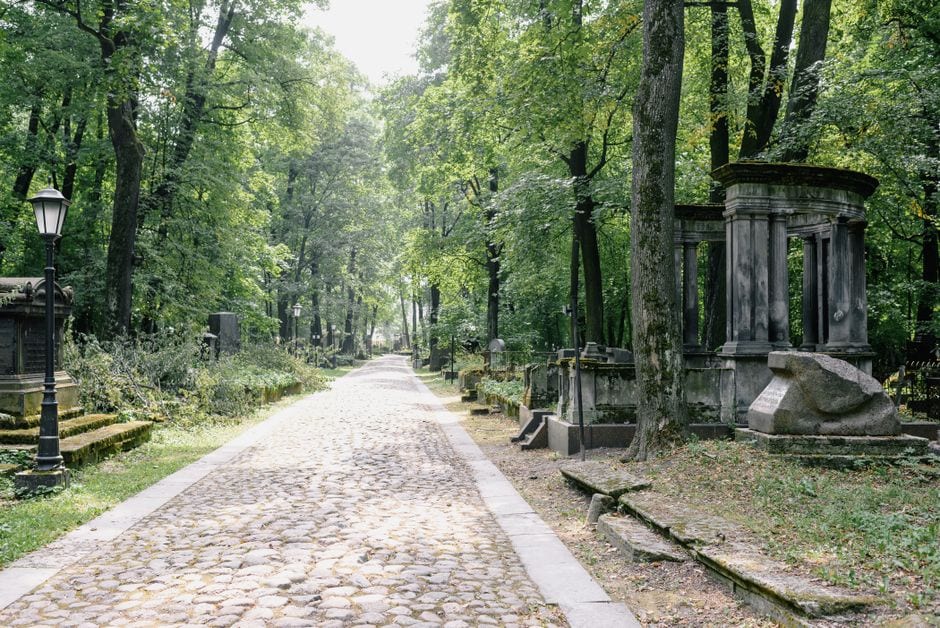 Illustrative stock photo of a historic cemetery path; not verified as Marietta or the tour route. Photo by Ksenia Chernaya on Pexels |
Follow the organizer’s directions and any posted restrictions. Give people visiting graves room and privacy. Keep a group together without blocking a route, and ask before taking photographs that include other visitors or a private memorial gathering.
Do not lean on, climb over or move markers to improve a view. Leave cleaning, rubbing and conservation work to appropriately authorized arrangements. Reading history does not require physically altering the place that preserves it.
Check the current weather and ask how the host communicates a cancellation or change. Wear suitable footwear for the confirmed route and allow time to reach the actual meeting point. Keep the confirmation accessible, including a contact method if your group is delayed.
Our Marietta History Center visiting guide covers a separate indoor history outing. The Marietta Fire Museum guide offers another local interpretation stop. Confirm each institution’s current arrangements independently rather than assuming a tour booking covers admission or parking elsewhere.
End with one documented discovery and one question worth pursuing. A thoughtful visit need not cover the whole cemetery. Share the source of what you learned, preserve uncertainty where it remains and let the place retain its primary role as a setting for remembrance. |
0 Comments
Join the conversation
Be the first to comment
Share your thoughts above.