
Etowah Indian Mounds in Cartersville: Read the Landscape Before the Climb |
Begin with interpretation, choose a manageable route and respect the historic setting. |
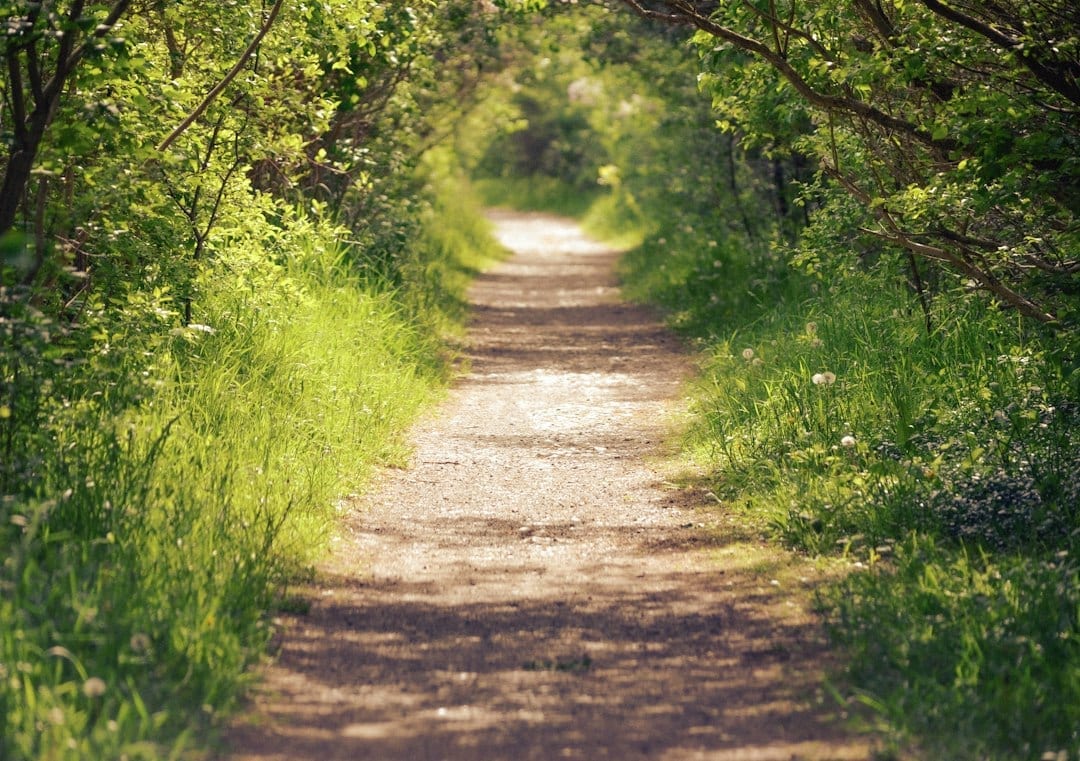
An Etowah Indian Mounds visit starts with contextAn Etowah Indian Mounds visit is more rewarding when you understand the landscape before treating a mound as a viewpoint. This Cartersville historic site preserves the setting of a Native American community, with spaces connected to daily life, ceremony and burial. Begin with interpretation and let it guide what you notice outdoors. The official Etowah Indian Mounds visit information describes a 54-acre site protecting six earthen mounds, a plaza, village site, borrow pits and a defensive ditch. It identifies the community with the Mississippian period, approximately 1000 to 1550 CE. Those features are evidence of a complex lived landscape, rather than isolated objects on a lawn. Allow time for the film or current interpretation before walking. Ask staff about the route, available programs and any changes affecting access that day. An Etowah Indian Mounds visit should follow the site's current guidance, especially where a route or activity involves protected historic features. 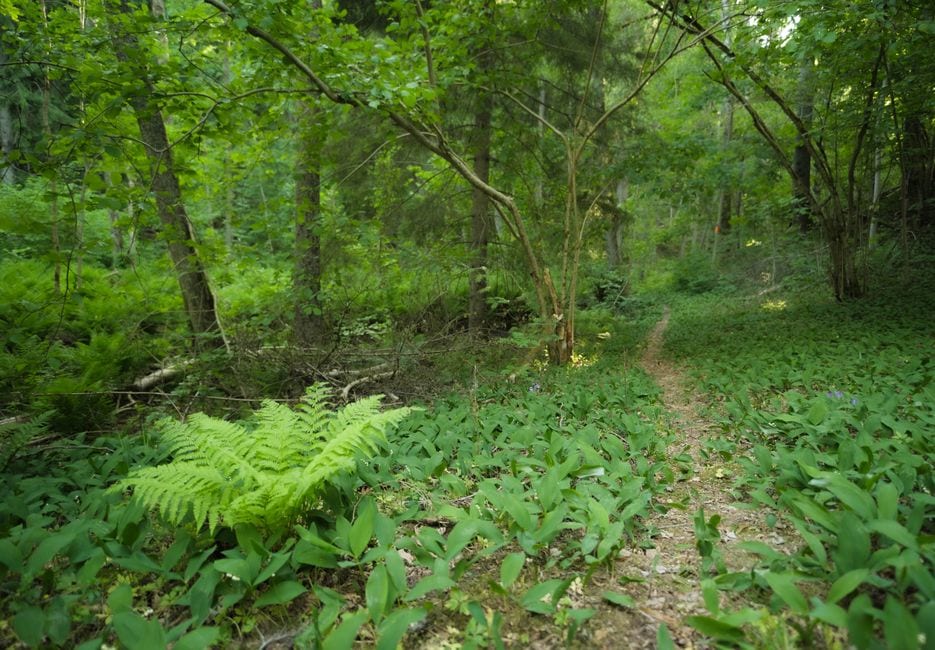 Choose the Etowah interpretive trail for close observationThe state's accessible-facilities and trail-surface listing identifies the Etowah interpretive trail as three-eighths of a mile with concrete and grass surfaces. That is useful planning information, but distance and surface labels do not describe every person's experience under current conditions. Use the Etowah interpretive trail as a chance to connect what you learned indoors with the shapes and relationships outdoors. Notice how open spaces, elevations and pathways relate to each other. Read the signs rather than supplying an imagined explanation for every feature, and keep questions for staff where the interpretation leaves you curious. If someone needs a particular surface, grade or accommodation, contact the site about the intended route. The state also lists an all-terrain Trackchair at Etowah; availability and arrangements should be confirmed directly. Choose a plan that lets everyone participate without assuming a mound climb is necessary to appreciate the place. Etowah River Walk is a separate route decisionThe same facilities listing describes the Etowah River Walk Nature Trail as five-eighths of a mile, using grass, dirt, mulch and boardwalk. Consider it separately from the interpretive route. Adding a nature trail increases the outing's walking and time demands, even when the map makes the extension look modest. The site's main page explains that riverside interpretation includes a fish trap and uses of native trees. Approach those details as part of the community's relationship with the river. Look from the designated route and follow current instructions rather than searching for an improvised way to get closer. For another outdoor plan, our Red Top Mountain paved lakeside-walk guide offers a different surface and purpose. Choose the route that fits your companions, weather and interests instead of assuming every nearby walking destination is equivalent. 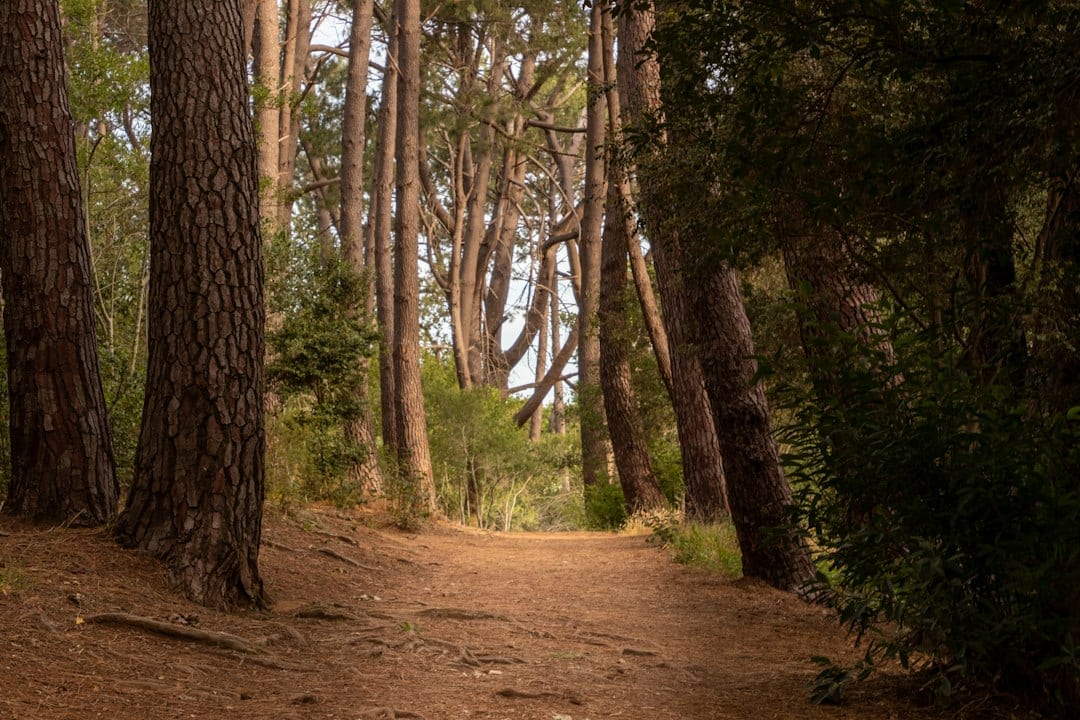 Respect the site and finish with one clear takeawayStay within permitted areas and follow signs around historic features. A protected cultural landscape deserves care even when there is no fence separating every feature from a visitor. Keep children close enough to supervise, and explain why observation should not involve moving material or improvising access. Allow enough time to return without rushing, particularly if you add the Etowah River Walk to the plan. Carry what you need for the weather and reassess the outing if conditions change. A shorter visit with useful context can be more meaningful than completing every route without time to understand it. Our Marietta History Center visiting guide offers another regional history option. Before leaving Etowah, share one relationship you noticed in the landscape and one question you want to explore further. That makes the visit a beginning for learning rather than only a finished walk. |
0 Comments
Join the conversation
Be the first to comment
Share your thoughts above.