
Bartow History Museum: Gallery Visit or Mulinix Research Center? |
Choose the right address and schedule for a Cartersville history outing. |

A Bartow History Museum visit has a different starting pointA Bartow History Museum visit and a session in its research center are related experiences, but they are not the same appointment. The galleries offer an introduction to the county's story. Research begins with a question and the records that might help answer it. Choose your purpose before setting the address and time for the trip. The museum's Bartow History Museum visit information lists galleries at 4 East Church Street in Cartersville, open Monday through Saturday, 10 a.m. to 5 p.m., with holiday closures. Current general adult admission is $9. Check the visitor page for other admission categories and any change affecting your date. Read the directions carefully: the museum notes that navigation may send visitors over the Church Street bridge, while the building is below it and can be accessed from Museum Drive. Allow time to find the correct approach. If ramp access matters, contact the museum about its back-entrance instructions before arriving. 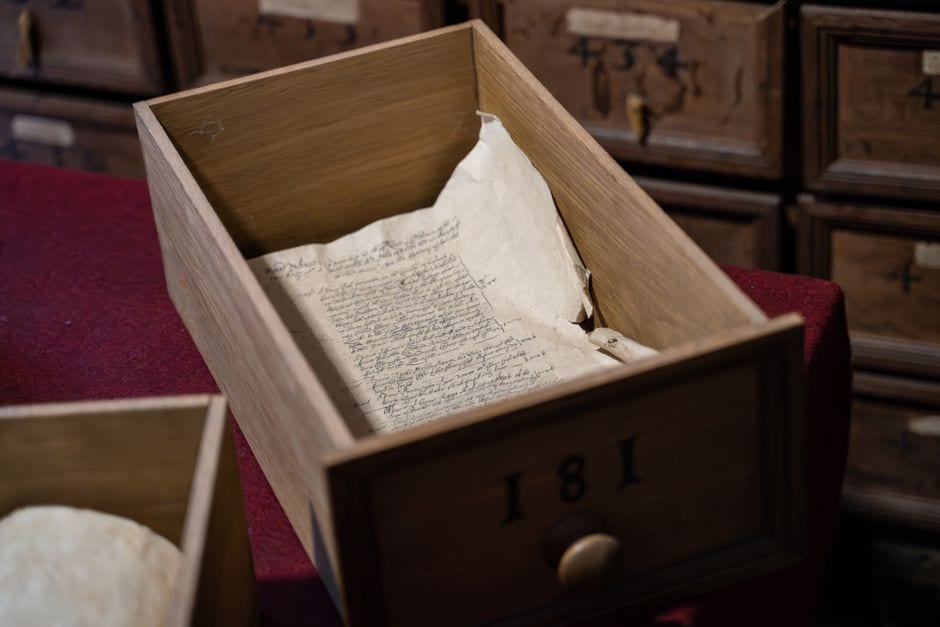 Mulinix Research Center hours and addressThe official Mulinix Research Center hours and holdings page gives a separate address: 1 North Gilmer Street, Cartersville. Mulinix Research Center hours are Monday through Friday, 10 a.m. to 4 p.m., with major-holiday closures. A Saturday museum plan should therefore not assume the research center will also be open. For Bartow County history research, the museum describes holdings that include newspapers, directories, maps, court records and oral histories. These are different kinds of evidence, created for different purposes. Ask staff which resources might suit your question rather than assuming one collection can answer every family or neighborhood inquiry. Contact the research staff in advance with a concise description of your topic. Include names, approximate dates and places you already know, along with the evidence you have checked. Ask about access arrangements and copying assistance. That can make a short research session more productive than arriving with only a broad request to find everything. Prepare a manageable Bartow County history research questionBegin with one question small enough to investigate: where a business operated during a particular decade, how a street name appeared on an older map or what a newspaper reported about an event. Write down what would count as useful evidence before starting. This helps you separate a promising clue from an interesting but unrelated detail. Keep notes that identify the item, date and location in the collection, along with what it actually says. Distinguish a transcription from your interpretation. If two records disagree, preserve the difference rather than quietly choosing the version you prefer. A careful record of uncertainty can be valuable later. Our Marietta History Center first-visit guide offers another regional introduction. A gallery outing can suggest a research question, while a records search may give a familiar exhibit new meaning; neither needs to be completed in one afternoon. 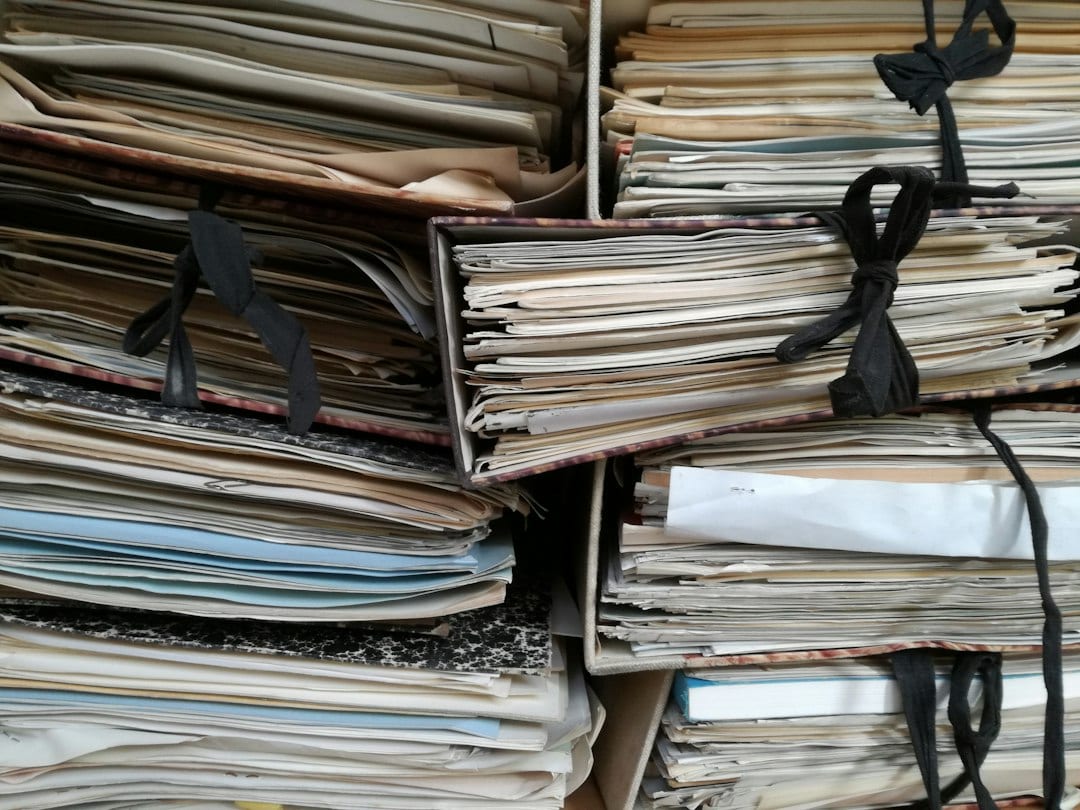 Use gallery time to notice change and continuityFor a Bartow History Museum visit centered on exhibits, choose a theme such as work, community life or changing transportation. Look for a detail that connects an earlier period with something you recognize today. Read the interpretation before drawing a conclusion about why a change occurred. Leave room to ask staff a question and revisit an exhibit that caught your attention. If you also want a research-center session, plan it around its separate closing time and confirmed arrangements. Combining the two works best when each has a clear purpose, rather than when one becomes a rushed extra. Compare our Etowah landscape-interpretation guide for another history outing. Choose the setting that fits your interest, then leave with one supported observation and a question that gives a future visit direction. |
0 Comments
Join the conversation
Be the first to comment
Share your thoughts above.